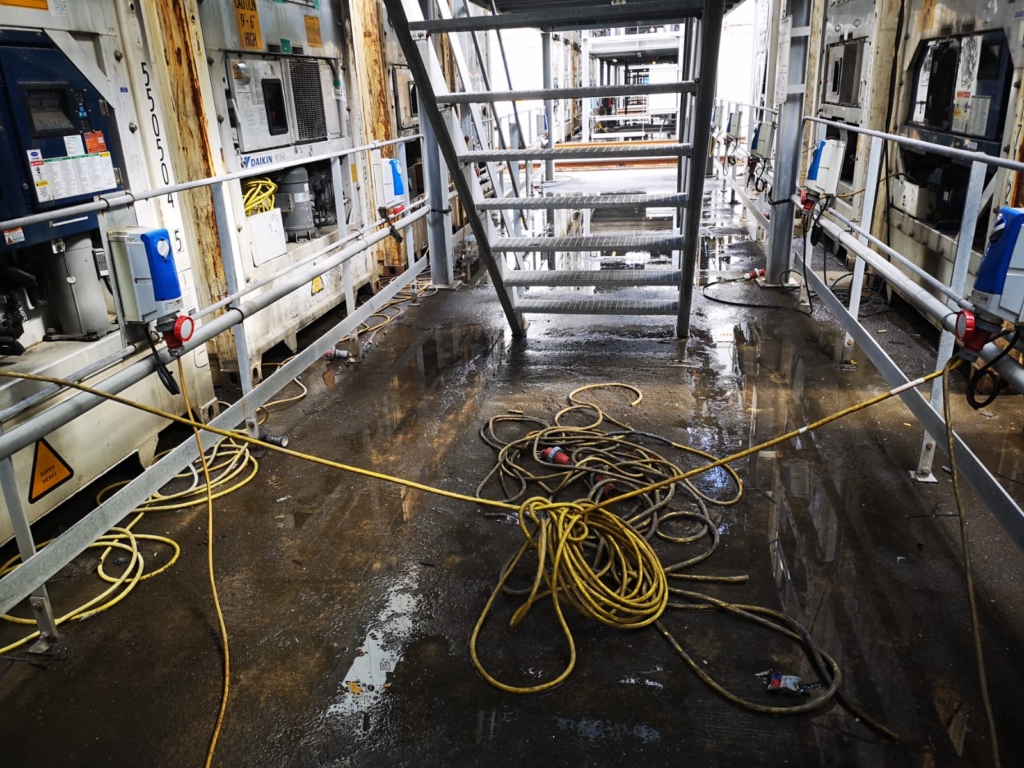
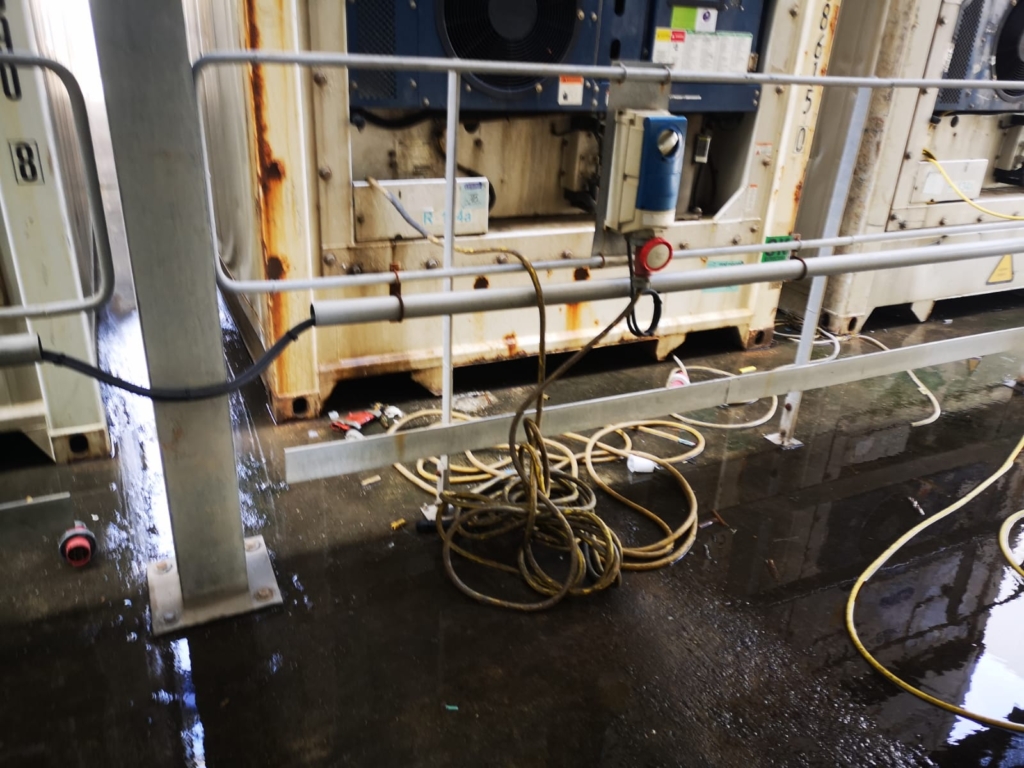
The nowadays process is manual:
Removing the cable from the cabin, connecting it, energizing it and viceversa.
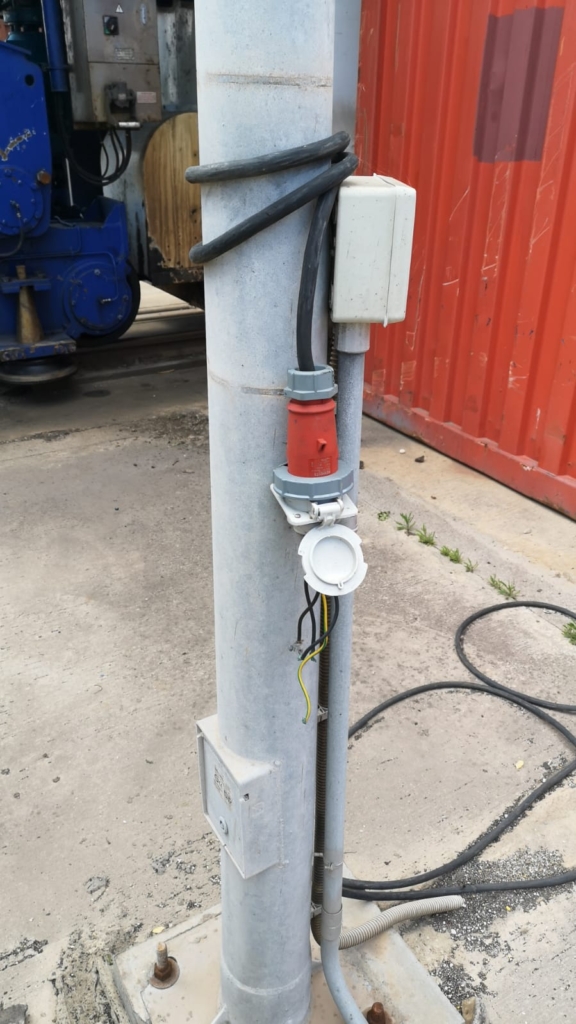
Many times the plug and part of the cable are outside the volume of the container, due to the manual nature of the disconnection and collection operations of the electric hose.
The result is that the reefer container is transported with several meters of cable hanging out of control. Hight level risks and danger of snags and interferences.
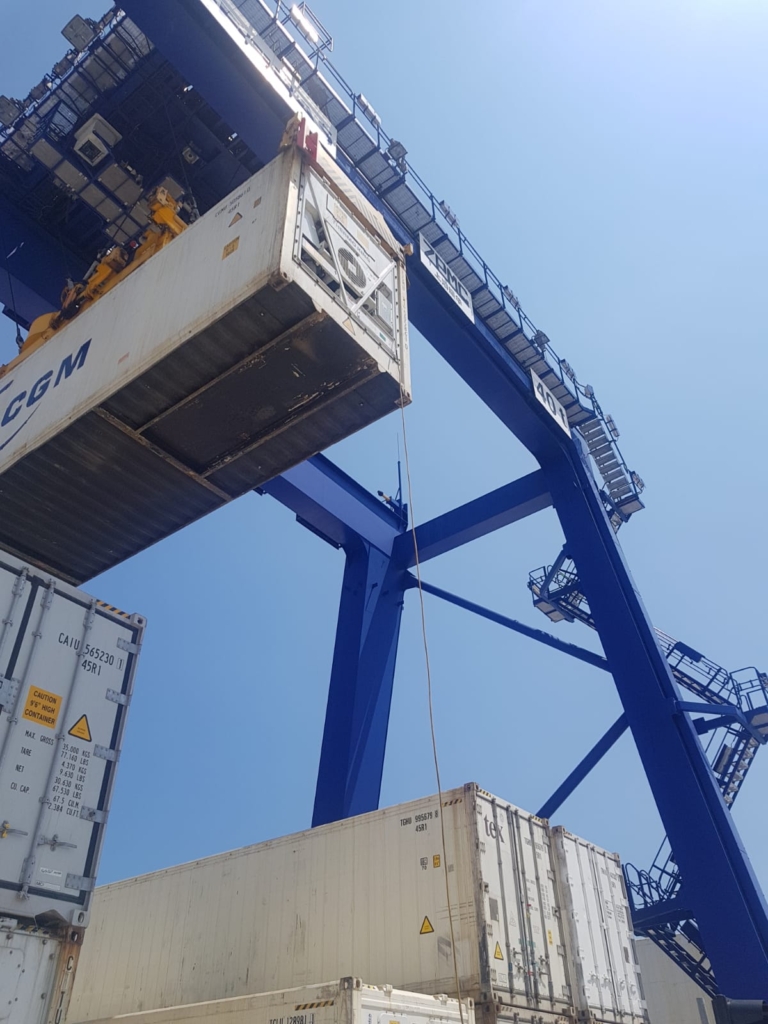
Additionally there is another problem, both in automated and manual terminals, the cranes can hoist a container that is not disconnected from its reefer plug. In this case, the crane that transports the container carries the cable suspended to the place of destination.
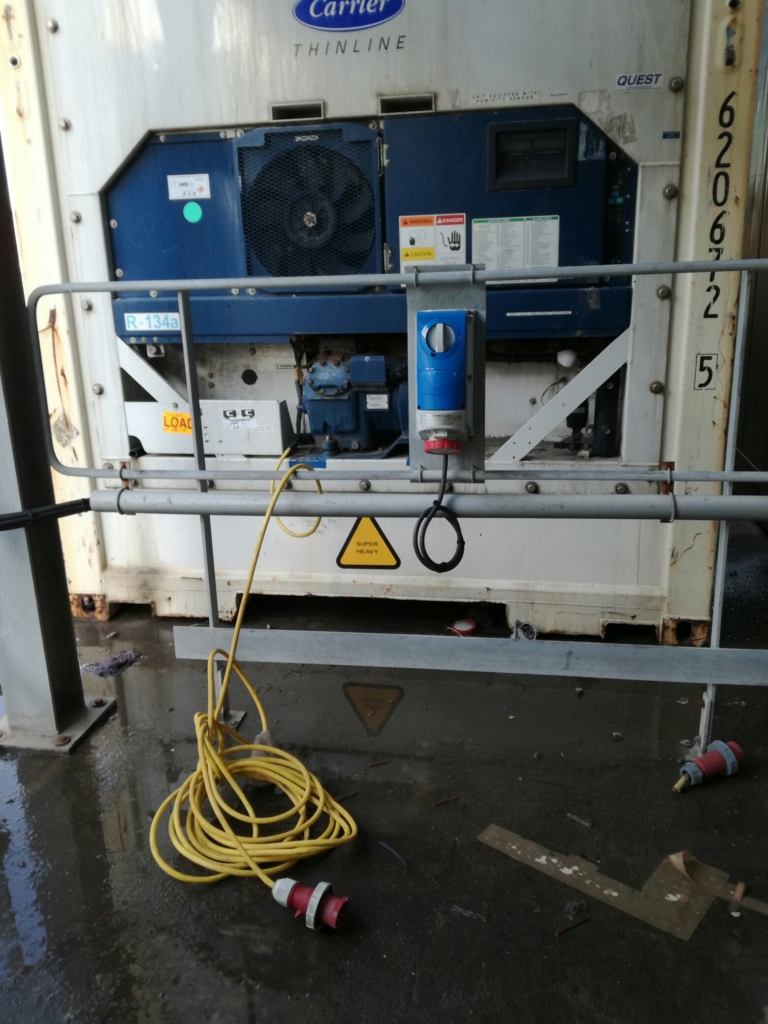
The external dimensions of reefer are standard, but there is a wide variety of dimensions of the cabins, characteristics of the cables and provision of structural reinforcements of the reefer container.
As designers, we can offer an RCR model adapted to specific container.
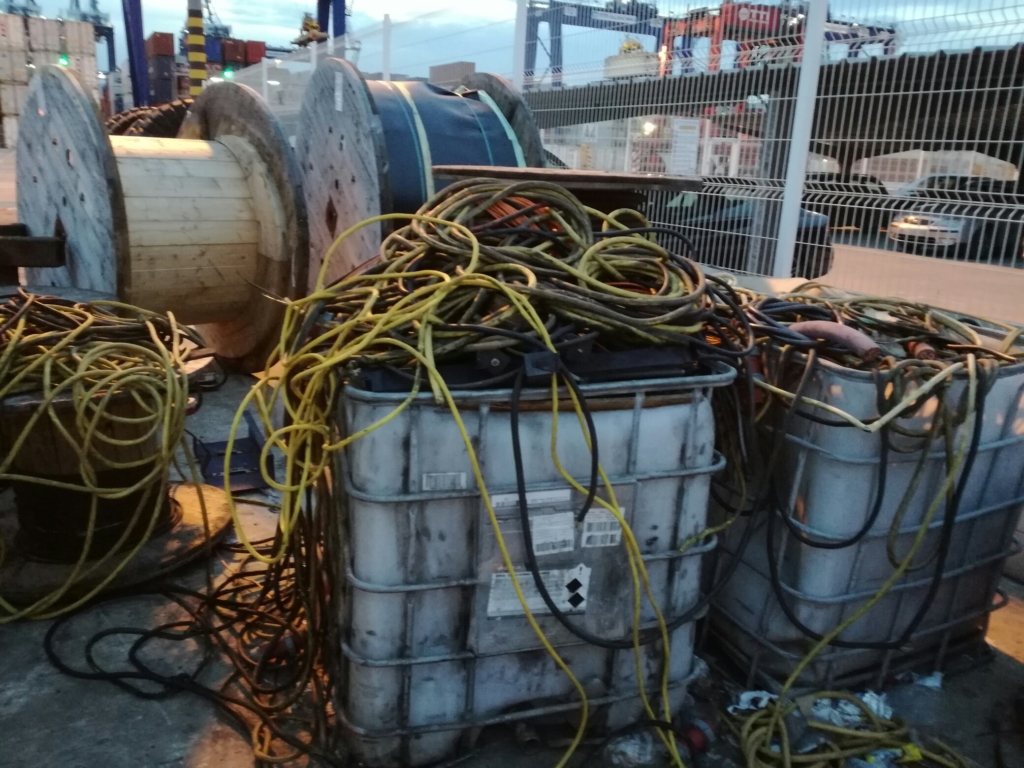
For a container terminal with capacity of 1000 reefer container the number of broken is hundreds
The broken cable means a risk of breaking the cold chain and therefore subsequent claims.
Apart from the repair cost of broken cable, we must add the possible damages of the broken cable to other equipment.
Summary:
- Economic cost of the reefer cable (spare part) and the manpower.
- Rotten goods.
- Breaking the cold chain and therefore subsequent claims
- Possible damages of the broken cable to other equipment.
- Delay in the departure at the terminal or vessel.
- Extra cost for leaking (for example cleaning services).